What fibre is, the difference between soluble and insoluble fibre, how much adults need and easy ways to add more.

Quick answer: fibre adds bulk and helps food move through the gut, and it is a key part of a balanced diet. According to the NHS, adults should aim for about 30 g a day, and many people eat far less.
Last updated: 8 October 2026
At a glance
- What it is: the part of plant foods your body does not digest.
- Two main types: soluble and insoluble. Most foods contain both.
- Target for adults: about 30 g a day (NHS).
- Key tip: increase fibre gradually and drink more fluid as you do.
What is dietary fibre?
Dietary fibre is found in plant foods such as wholegrains, fruit, vegetables, beans, pulses, nuts and seeds. Unlike most other carbohydrates, it is not broken down in the small intestine, so it travels on through the gut.
Soluble and insoluble fibre
- Insoluble fibre does not dissolve in water. It adds bulk to stools and encourages water into the bowel, which makes stools bigger and softer and helps them pass. Wholemeal bread, wholegrain cereals, nuts, seeds and the skins of fruit and vegetables are good sources.
- Soluble fibre dissolves in water to form a gel. Oats, barley, rye, beans, lentils, apples, bananas and root vegetables contain it. It can also feed beneficial gut bacteria.
Most plant foods contain a mixture of both, which is why variety matters. A Bradford District Care NHS leaflet notes that the bowel needs both types.
How much fibre do you need?
The NHS recommends that adults eat about 30 g of fibre a day. A slice of wholemeal bread, an apple with the skin on or a banana each provide a couple of grams, so it adds up across the day when you build fibre into every meal.
Why fibre matters for digestive wellbeing
Fibre helps keep bowel movements regular because it helps food pass through the digestive system more easily. NHS advice also links diets high in fibre with a lower risk of conditions such as heart disease, stroke, type 2 diabetes and bowel cancer, so the benefits go beyond the gut.
The fluid connection
Fibre works best with water. NHS hospital leaflets say that increasing fibre without enough fluid can make constipation worse. Most adults need around 1.5 to 2 litres a day, and more if you are raising your fibre intake.
Easy ways to add fibre
- Choose wholemeal or granary bread and wholegrain breakfast cereals or porridge.
- Keep the skins on potatoes and fruit where you can.
- Add beans, lentils or chickpeas to soups, stews, curries and salads.
- Aim for five portions of fruit and vegetables, fresh, frozen or tinned.
- Snack on fruit, raw vegetables, nuts or wholegrain crackers.
Go slowly, and know when to adjust
Add fibre gradually over a couple of weeks, otherwise you may get wind and bloating. If you have irritable bowel syndrome, diverticulitis or inflammatory bowel disease, or loose stools, speak to your doctor or a dietitian, as the best type and amount of fibre can differ. Insoluble fibre, for example, can make loose stools worse.
What about supplements?
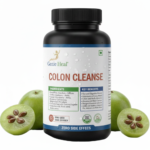
Herbal capsules are not a source of dietary fibre. GenieHeal Colon Cleanse, for example, is a herbal food supplement with a once-weekly routine, not a replacement for fibre-rich food. See the ingredient list on the product page, or read our guide to choosing a herbal colon cleanse supplement.
Frequently asked questions
Why is fibre important?
It adds bulk, helps food move through the gut and keeps bowel movements regular. High-fibre diets are also linked with lower risk of several long-term conditions.
How much fibre should I eat a day?
The NHS recommends about 30 g a day for adults.
What is the difference between soluble and insoluble fibre?
Soluble fibre dissolves in water and forms a gel. Insoluble fibre does not dissolve and adds bulk. Most foods contain both.
Can too much fibre cause problems?
Adding fibre too quickly can cause wind and bloating, and it needs plenty of fluid. If you have a digestive condition, ask your doctor or dietitian first.
Sources
- NHS: How to get more fibre into your diet
- Bradford District Care NHS Foundation Trust: healthy diet and dietary fibre
- Blackpool Teaching Hospitals NHS Foundation Trust: fibre patient leaflet
Keep reading
- How can I support my digestive health naturally?
- Do you need a colon cleanse? What the evidence says
- Colon Cleanse guide: ingredients and routine
GenieHeal products are food supplements, not medicines. They are not intended to diagnose, treat, cure or prevent any disease, and they should not replace a varied, balanced diet or medical advice. This article is general information, not medical advice. If you are worried about your health, speak to your GP or pharmacist.

GenieHeal
Questions about a product? Email info@genieheal.com.