Seven simple, evidence-based habits that support digestive wellbeing: fibre, fluids, movement, routine and when to see your GP.

Quick answer: the habits with the strongest support are simple. Eat enough fibre from a variety of foods, drink enough fluids, stay active, eat regularly and do not ignore the urge to go. A supplement is optional, not a requirement.
Last updated: 8 October 2026
At a glance
- Fibre: NHS advice for adults is about 30 g a day, and many adults eat well below that.
- Fluids: fibre needs fluid. NHS hospital leaflets suggest roughly 1.5 to 2 litres a day for most adults.
- Movement and routine: activity and regular meals help the bowel stay regular.
- See your GP for blood in your stool, a lasting change in bowel habit or ongoing pain.
1. Eat enough fibre
Fibre is the part of plant foods your body does not digest. The NHS recommends that adults aim for about 30 g a day. Good sources include wholegrain bread and cereals, fruit and vegetables, beans, pulses and lentils. NHS hospital dietetic leaflets such as this one from Blackpool Teaching Hospitals add a practical rule: introduce fibre gradually, and drink more fluid as you go, because extra fibre without enough fluid can make constipation worse. We explain the types of fibre in our guide to why fibre is important for digestive wellbeing.
2. Drink enough fluids
Fibre acts like a sponge, so it needs water. One NHS leaflet says most adults need around 1.5 to 2 litres of water-based drinks a day, and another from University Hospitals Coventry and Warwickshire suggests at least 2 litres (8 to 10 cups) unless your doctor has told you otherwise. A simple check is the colour of your urine: pale is a good sign.
3. Keep moving
Being active helps the bowel. NHS leaflets suggest simple steps such as a short daily walk, if it is safe for you. If you are unsure what exercise suits you, ask your doctor.
4. Eat at regular times
Eating itself stimulates the bowel. A Velindre NHS leaflet notes that simply eating some food can encourage the bowel, which is why regular meals matter, especially after a few days of eating little.
5. Do not ignore the urge to go
Regularly putting off a bowel movement can make constipation more likely. Give yourself time and privacy for a relaxed routine.
6. Check your medicines and your usual diet
Some medicines cause constipation. Changes in routine, a lower food or fluid intake, or low fibre can also contribute. Ask your pharmacist or doctor before changing any medicine.
7. Adjust fibre if you have a digestive condition
If you have irritable bowel syndrome, diverticulitis or inflammatory bowel disease, the type and amount of fibre that suits you can differ, so follow your clinician or dietitian. NHS leaflets note that some people need to adjust fibre according to their symptoms.
When to see your GP
Speak to your GP or pharmacist, rather than trying a supplement, if you have blood in your stool, a lasting change in bowel habits, ongoing abdominal pain or bloating, unexplained weight loss, or constipation that does not improve.
Where do herbal supplements fit?
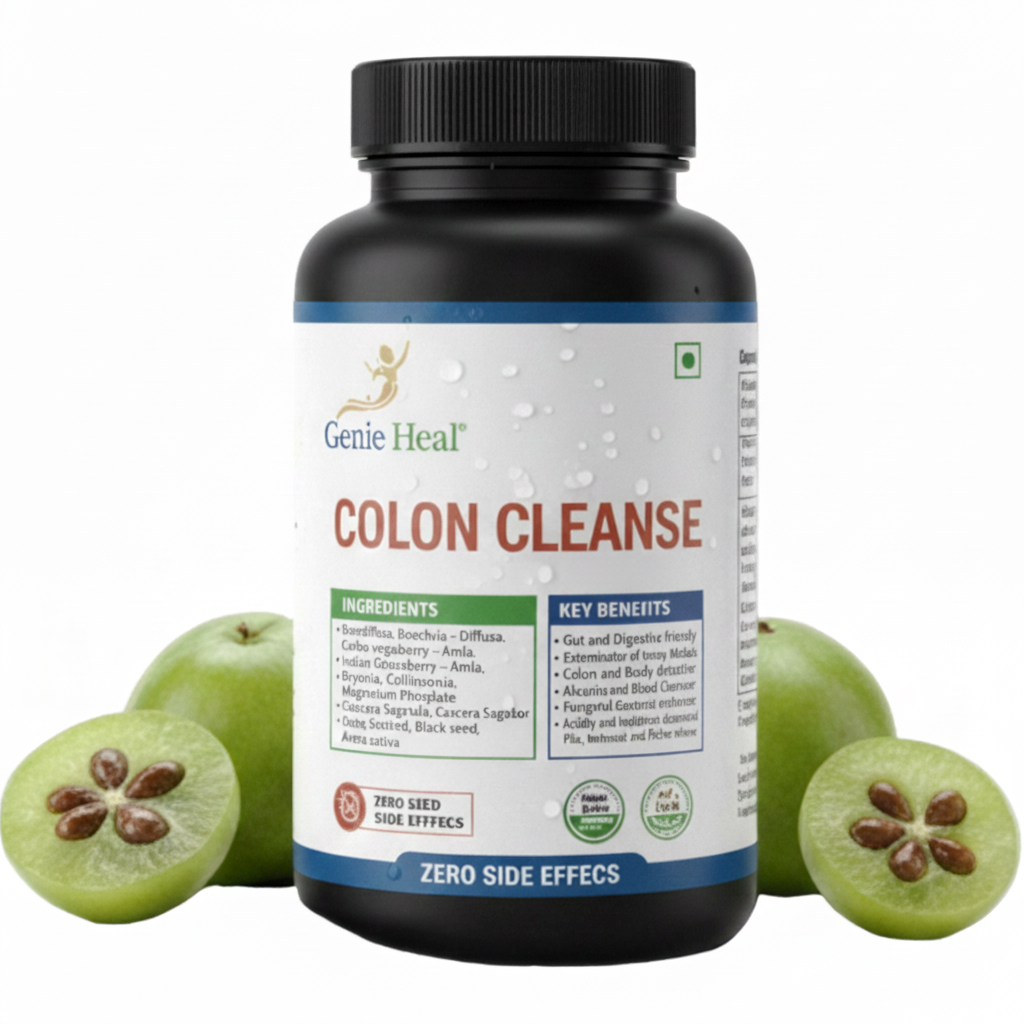
Herbal supplements are not a substitute for the habits above. If you are curious about “colon cleanse” products, read what the evidence says in our article Do you need a colon cleanse? and our checklist for choosing a herbal colon cleanse supplement. GenieHeal Colon Cleanse is a herbal food supplement, not a medicine, and you can see its ingredients on the product page.
Frequently asked questions
What is the best natural way to support digestion?
Eat enough fibre from a variety of foods, drink plenty of fluids, stay active and keep to regular meal times.
How much fibre should adults eat?
NHS advice for adults is about 30 g a day. Increase gradually and drink more fluid as you do.
Do I need a supplement for digestive health?
Not necessarily. Diet and lifestyle come first. If you are thinking about a supplement, speak to your doctor or pharmacist if you are unsure.
When is bloating or constipation a reason to see a doctor?
If it is ongoing, painful, comes with blood in your stool, weight loss or a lasting change in bowel habit, see your GP.
Sources
- NHS: How to get more fibre into your diet
- Blackpool Teaching Hospitals NHS Foundation Trust: fibre patient leaflet
- Bradford District Care NHS Foundation Trust: healthy diet and dietary fibre
- University Hospitals Coventry and Warwickshire NHS Trust: constipation
- Velindre University NHS Trust: help with eating when you have constipation
Keep reading
- Why is fibre important for digestive wellbeing?
- Do you need a colon cleanse? What the evidence says
- How to choose a herbal colon cleanse supplement
- How to use GenieHeal Colon Cleanse: a once-weekly routine
GenieHeal products are food supplements, not medicines. They are not intended to diagnose, treat, cure or prevent any disease, and they should not replace a varied, balanced diet or medical advice. This article is general information, not medical advice. If you are worried about your health, speak to your GP or pharmacist.

GenieHeal
Questions about a product? Email info@genieheal.com.