What a herbal digestive supplement is, how food supplements differ from licensed and traditional herbal medicines in the UK, and what to look for on a label.

Quick answer: A herbal digestive supplement is a food supplement made from plant ingredients. In the UK it is different from a medicine and from a registered traditional herbal medicine, and it cannot claim to treat, cure or prevent disease.
Last updated: 10 October 2026
At a glance
- Food supplement: sold as a food, not a medicine
- Traditional herbal medicine: registered with the MHRA under the THR scheme, with a THR mark
- Medicine: licensed, with proven quality, safety and effectiveness
- Key rule: supplements must not claim to treat, cure or prevent disease
What is a herbal supplement?
A herbal supplement contains plant material, such as roots, leaves, fruit, bark or seeds, in a capsule, powder, tablet or liquid. A “digestive” supplement is one that is marketed in relation to digestion. Many of these are sold as food supplements.
How is it different from a medicine?
In the UK, the Medicines and Healthcare products Regulatory Agency (MHRA) decides whether a product counts as a medicine. Medicines, such as laxatives, are described by the NHS as products that help you poo and come with proper information on how and how long to use them. A food supplement, in contrast, is regulated as a food, and Business Companion guidance explains that not all herbal products are medicines.
What is a traditional herbal registration (THR)?
Some herbal products are registered as traditional herbal medicines. The GOV.UK guidance on THR says the THR mark shows a product meets standards of quality, safety and evidence of traditional use. A registration is based on long-standing use, not on proof that it works. In a University College London study reported by the BBC, every THR product tested contained what its label said, while food supplements varied widely in quality.
What claims can a supplement make?
Food supplements must not claim to treat, cure or prevent disease, and any health claim needs authorisation. Be cautious about wording such as “detox”, “removes toxins” or “cures”. The US National Center for Complementary and Integrative Health (NCCIH) says there is no convincing evidence that detox or cleansing programmes remove toxins.
What to look for on a label
- A full ingredient list with botanical names.
- Clear directions and a stated duration.
- Who it is not suitable for.
- A THR mark if you specifically want a registered traditional herbal medicine.
- No promises that sound too good to be true.
Our 9-point checklist walks through this in detail.
Where GenieHeal fits
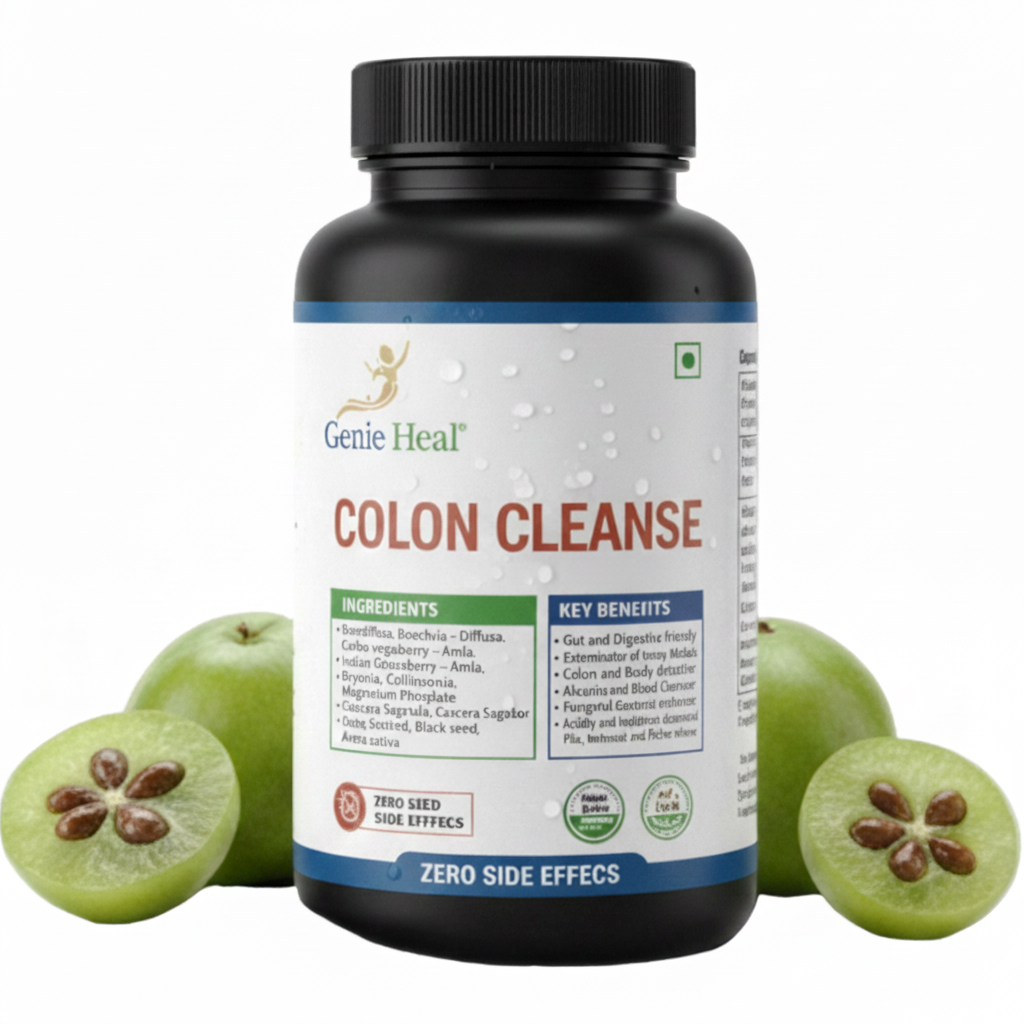
GenieHeal products are sold as food supplements, not as medicines or registered traditional herbal medicines. That is why we publish full ingredient lists, directions and safety information on every product page. See GenieHeal Colon Cleanse for an example.
Frequently asked questions
Is a herbal supplement a medicine?
No. A herbal food supplement is sold as a food. Some herbal products are registered traditional herbal medicines, and these carry a THR mark.
What does THR mean?
Traditional herbal registration, a UK scheme run by the MHRA for herbal medicines based on long-standing use.
Can a supplement treat a condition?
No. Supplements must not claim to treat, cure or prevent disease.
Should I tell my doctor about supplements?
Yes, especially if you take medicines, are pregnant or breastfeeding, or have a medical condition.
Sources
- GOV.UK: Apply for a traditional herbal registration (THR)
- Business Companion: Herbal medicine and health food shops
- BBC News: report on a UCL study of herbal supplement labels
- NHS: Laxatives
- NCCIH: Detoxes and cleanses: What you need to know
Keep reading
- How to choose a herbal colon cleanse supplement
- Aloe and cascara sagrada in herbal supplements
- Do you need a colon cleanse? What the evidence says
Browse all GenieHeal herbal food supplements, learn about GenieHeal, or contact our team.
GenieHeal products are food supplements, not medicines. They are not intended to diagnose, treat, cure or prevent any disease, and they should not replace a varied, balanced diet or medical advice. This article is general information, not medical advice. If you are worried about your health, speak to your GP or pharmacist.

GenieHeal
Questions about a product? Email info@genieheal.com.