A plain-English, evidence-based look at colon cleansing: what the evidence says, the risks, everyday habits that support bowel health, and how to choose a herbal supplement responsibly.


Search for “colon cleanse” and you will find big promises about toxins, energy and weight. This guide takes a calmer, evidence-based look: what people mean by a colon cleanse, what trusted medical sources say, which everyday habits genuinely support bowel health, and how to choose a herbal supplement responsibly if you decide to use one.
Key takeaways
- Your body already clears waste: healthy bowels do not need to be “flushed”.
- Evidence: the US NCCIH says there is no convincing evidence that detox or cleansing programmes remove toxins or improve your health.
- Risks are real: some cleansing methods can be harmful, especially with existing bowel, kidney or heart conditions.
- What helps most: fibre, fluids, movement and regular routines.
- If you use a supplement: read the full ingredient list and talk to a doctor or pharmacist first if you are unsure.
What do people mean by a “colon cleanse”?
The phrase covers very different things. At one end are colonic irrigation and enemas, which flush the large bowel with liquid. At the other are herbal capsules, powders and teas sold as “cleanses” or “detoxes”. They are not the same, and they carry different risks.
What does the evidence say?
Supporters believe cleansing removes toxins and improves energy or immunity, but the US National Center for Complementary and Integrative Health (NCCIH) says there is no convincing evidence that detox or cleansing programmes remove toxins from your body or improve your health. Your digestive system and bowel already remove waste from the body. For a plain-English overview, see the NCCIH page on detoxes and cleanses.
Medical sources also point out that some cleansing methods can cause harm. This is especially true for people with bowel, kidney or heart conditions, so check with your doctor or pharmacist first. The NHS also notes that using laxatives too often or for too long can cause problems.
When to see a doctor instead
Speak to your GP or pharmacist rather than self-treating if you notice blood in your stool, a lasting change in your bowel habits, ongoing pain or bloating, unexplained weight loss, or constipation that does not improve. These need proper assessment, not a cleanse. The only common exception where a bowel is deliberately emptied is when your doctor gives you instructions before a medical procedure such as a colonoscopy.
Everyday habits that genuinely support bowel health
NHS hospital dietetic leaflets give consistent, practical advice for regular bowel habits:
- Eat enough fibre. Wholegrain bread and cereals, fruit, vegetables, beans, pulses and lentils are good sources. Introduce fibre gradually.
- Drink plenty of fluids. Fibre needs fluid to do its job. One NHS leaflet suggests aiming for around two litres a day, unless your doctor has told you otherwise. See the Blackpool Teaching Hospitals leaflet and the University Hospitals Coventry and Warwickshire leaflet.
- Keep moving. Regular activity helps keep the bowel regular.
- Do not ignore the urge to go. Delaying can make constipation more likely.
- Check your medicines. Some medicines can cause constipation, so ask your doctor or pharmacist.
If you are considering a herbal colon cleanse supplement
It is wise to get a list of the specific herbal ingredients and amounts in any colon-cleansing product, because some ingredients can cause health problems. Use this checklist:
- Read the full ingredient list and look up anything you do not recognise.
- Check the directions and never exceed the recommended dose.
- Be wary of big claims such as “removes toxins” or “melts away waste”. Trusted medical sources say the evidence is lacking.
- Know who should not use it: children, anyone pregnant or breastfeeding, anyone taking medication or with a medical condition should speak to a doctor or pharmacist first.
- Stop and seek advice if you have abdominal pain, diarrhoea or any adverse reaction.
Where GenieHeal Colon Cleanse fits
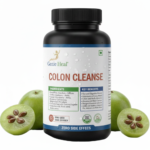
GenieHeal sells Colon Cleanse as a plant-based herbal food supplement, not a medicine. We do not claim that it removes toxins or treats any condition. Each pack holds five capsules for a once-weekly routine over one month, for adults aged 18 and over, and it is vegan friendly. The full ingredient list is published on the product page, including Aloe Socotrina and Cascara Sagrada, which are plants known for their effects on the digestive system. That is exactly why the directions, the dose limit and the safety information matter. For the routine in detail, read our once-weekly routine guide and our ingredients guide.
Frequently asked questions
Is a colon cleanse necessary?
According to the US NCCIH, there is no convincing evidence that detox or cleansing programmes remove toxins or improve your health. Your body already clears waste.
Can supplements remove toxins from the colon?
Medical sources say there is no evidence that colon-cleansing products remove toxins. GenieHeal does not make this claim for Colon Cleanse.
Are colon cleanses safe?
Some methods can be harmful, particularly for people with bowel, kidney or heart conditions. Check with your doctor or pharmacist before trying any cleanse or herbal product.
What can I do every day to support my bowels?
Eat enough fibre, drink plenty of fluids, stay active and do not ignore the urge to go. If you have ongoing problems, see your GP.
Who should speak to a professional first?
Anyone who is pregnant, breastfeeding, taking medication or living with a medical condition, and anyone under 18 should not use GenieHeal Colon Cleanse. If in doubt, ask your doctor or pharmacist, or contact our team.
Sources
- NHS: Laxatives
- NCCIH: Detoxes and cleanses: What you need to know
- Blackpool Teaching Hospitals NHS Foundation Trust: patient leaflet on fibre and constipation
- University Hospitals Coventry and Warwickshire NHS Trust: constipation leaflet
Keep reading
- Colon Cleanse guide: ingredients and routine
- How to use Colon Cleanse: a simple once-weekly routine
- SHILAJIT guide: sizes, ingredients and safety
Browse all GenieHeal herbal food supplements, learn about GenieHeal, or contact our team.
GenieHeal products are food supplements, not medicines. They are not intended to diagnose, treat, cure or prevent any disease, and they should not replace a varied, balanced diet or medical advice. This article is for general information and is not medical advice. For adults aged 18 and over.

GenieHeal
Questions about a product? Email info@genieheal.com.